


Before going any further with the post, just a quick note. Substack has finally enabled the perk section, which means we have a place to drop all our other content and organize it better than before. You can access the inner circle by clicking here.
Why does everyone hate boomers?
They may forget what you said, but they will never forget how you made them feel. - Carl W. Buehner

It seems normal to hate the boomers and what they represent. Boomers are the opposite of everything that is happening now. Cheap houses that they could afford. Guaranteed jobs you could get after high school. Degree? Means you are actually a serious person. The best part? You could support your whole family with a single source of income. Something you only wish you could do today.
So who is responsible?
It comes down to the argument that things are the way they are today because of those generations. Which in fact is… True. Young people overestimate their own capabilities. They think that if they had had the advantages boomers had, they would have done it differently. They would not. If you give someone an easy path. They will take it.
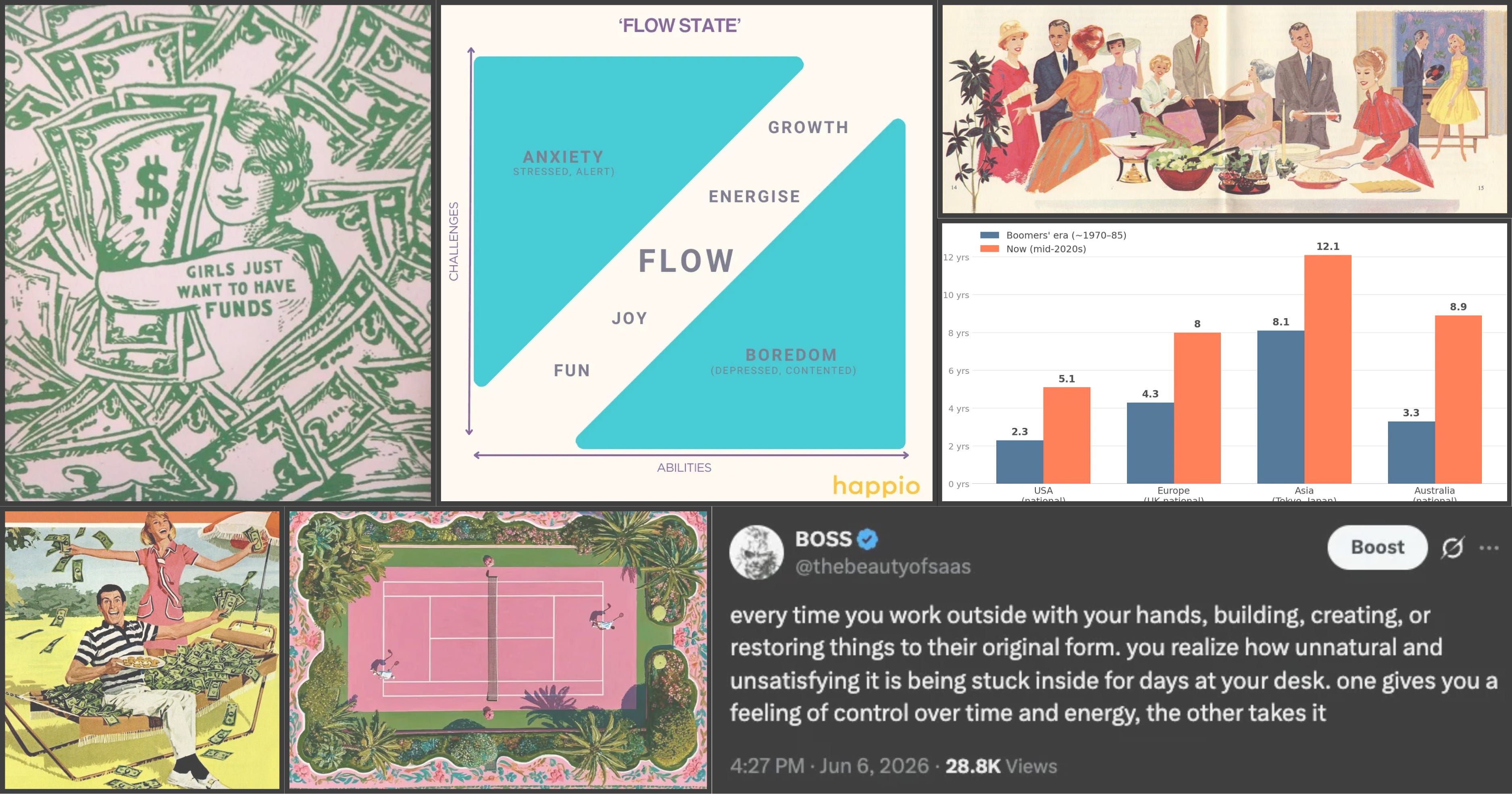
If we set aside the cheap rent, guaranteed jobs, and "dream life" boomers lived, everything is better today. Life expectancy is longer. You can start your own business from your bedroom. Education? There is nothing you can’t find on YouTube. Because you are reading this on a device that, with a few swipes, gives you access to all the world’s knowledge. Something boomers could only dream of.
None of this fixes the housing market or inflation. Neither does complaining about the game you can’t change. What you can do is get good at things others are not. Whether you want to accept it or not, the boomers had it easier. What matters is that there are things you can apply to your situation.
Boomermaxxing (what you should listen to boomers about)

Boomer advice worth taking
Communicating (Social skills)
Reputation (advice and how to guard it)
Not giving up
Spending habits
Buying for maximum return
Boomer advice NOT worth taking
Finance
Careers
Degrees (+ college)
Risk-taking
Home buying
What advice from boomers should you listen to
Advice on communicating: Calling people. Dealing with certain matters in person rather than taking the path of least resistance. Making people feel good. Actively listening to them and remembering small details, even if they seem meaningless. Those things make you more memorable to others. Guess what boomers did right? Exactly this. No other generation has done it the way they did.
Advice on reputation: Boomers did this part right. Mostly because it was built on slow, proven work. Doing work for others without immediately expecting anything back. Overall, it was a less transactional environment. Built on the guy who knows a guy type of mechanisms in small communities. Since it is easier to burn bridges and start fresh somewhere else where no one knows who you are, this doesn't get much credit anymore. Yet it has never been more worth it, since some people (and their connections) can rapidly increase your progress.
Advice on not giving up: Boomers got stuck with things mostly because they had no choice. Being flexible and having opportunities were usually expensive or required drastic changes. Things today? Opposite. You have millions of alternatives with a bit of effort. Leading you to quit without ever realizing you have quit in the first place, because you feel something better is coming your way. Which might be the truth... But you will never do anything if you quit at the first sign of trouble or when things get harder. This sounds ridiculous until you realize that nothing ever gets done this way. And one funny thing about life is that it always finds a way to place barriers for you when you are doing something worth doing. Always. It fits perfectly under the unwritten rules of life.
Advice on spending habits: Pre-credit card life. The approach to finances was completely different from what it is now. You could only spend money you actually had, which created much more friction in the process. Not necessarily that boomers spending habits are better (most people are frugal). But there was a moment when you had to wait to buy something or to be served, creating a gap between your impulses and what you actually wanted. Today, you already know that everything is the opposite of that. One-click checkout and pay later in every store you buy from. Which means you should make it a habit to postpone purchases for a day or two before making them.
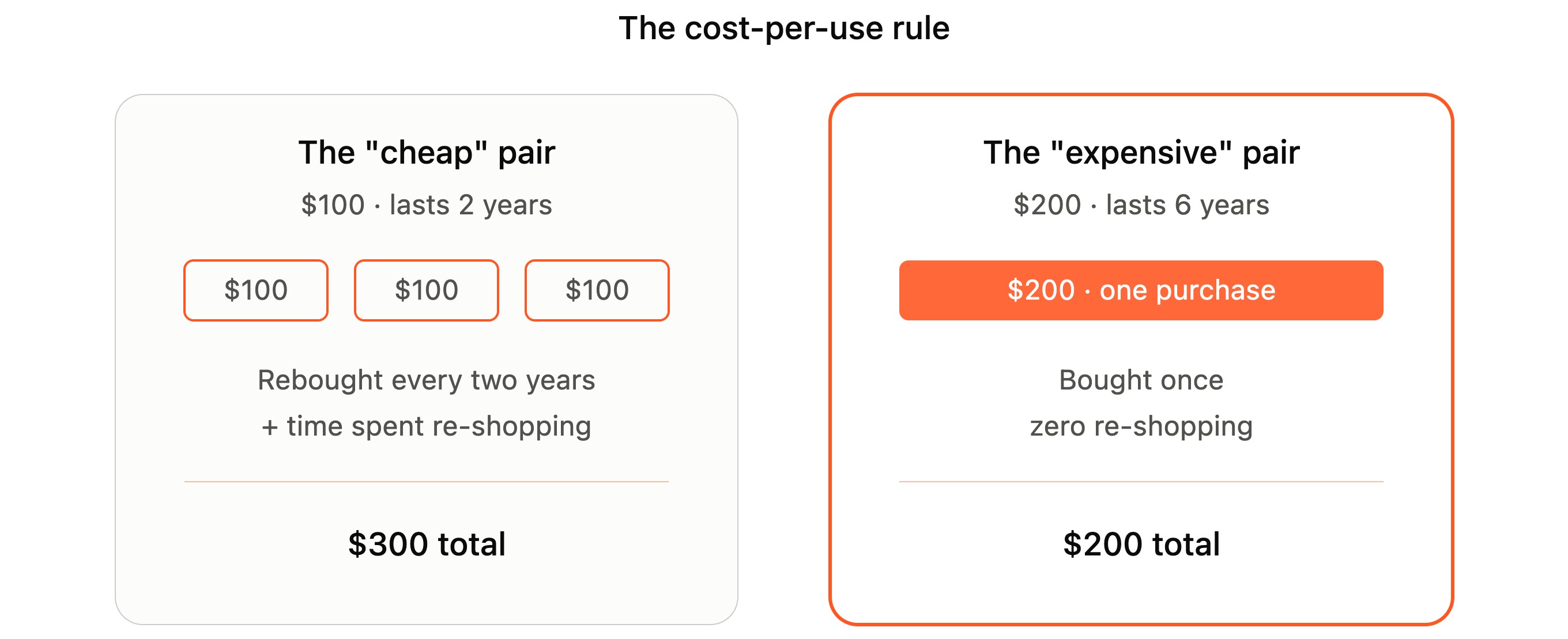
Advice on buying things for maximum return: The previous point brings us to this one… Boomers bought things that lasted because things were built to last... Because replacing them was expensive relative to what you had earned. Meaning your whole goal was to buy less and better things. Today, another opposite. Everything is structured to ensure that you will eventually replace it. Either sell it when the new model comes out, or break it because it was not done as it should have been. This is where most people go wrong and fall victim to this loop. Spending their money, time, and attention buying the same things multiple times over because they are afraid to spend a bit of money to buy their own. You should base everything you buy on the cost per use approach. Boomers did this right.
What advice from boomers should you NOT listen to
Finance advice: One that was right for their world, one that no longer exists. When savings earned real interest and avoiding risk (+ saving everything) was a rational play. Good luck doing the same things today and expecting the same results. Doing so will make you a victim of inflation and ensure you end up with less than you initially put in. The game they played was in a risk-free environment. But the game YOU are playing is quite different. It is everything except a risk-free environment. To not turn this into a whole other post. Stay away from boomers and their financial advice. Everything they preach is outdated.
Career advice: The whole story comes down to staying loyal to your employer and avoiding risk. Today, this approach doesn’t work because you will end up being paid below the market rate. Or you will be replaced when the time comes. What companies do differently now is offer below-inflation raises while paying new hires the market rate for the same roles. This means that if you are not high on the seniority list, you should jump ship and out-earn people who stay. Stop being loyal to a company you work for… Because they are not loyal to you.
College advice: Boomers still believe that having a degree guarantees you a job. One of those old tales that is completely wrong. The main reason was that employers used the degree as a differentiator. It was sort of a filtering system that proved you were capable (+ not everyone had it). Today? You know things are different when you have a bunch of useless degrees that lead nowhere. The ratio effort/payoff has changed. Do degrees still work? Debatable. But some work much better than others.
Risk-taking advice: We already mentioned that no matter what kind of average performer you were, or how safe you played. You were guaranteed to have an above-average quality of life. Cheap housing, stable jobs, and a predictable environment. To reframe this. What happens when wages don’t keep up with the cost of living and more people compete for the same things? Perfect formula for falling behind. To make it clear, the idea is not to take dumb risks or treat your life as a lottery ticket. It is about knowing how to distinguish between the two and understanding the outcome. Some risks you can recover from, and from others you can't.
Home-buying advice: We have seen many fall for the idea that they should buy a house as soon as possible. Only to end up miserable with a 30 year mortgage on a place they are not even sure they want to live in. It is much more complex than that. Plus, the data show that you are playing a completely different game when it comes to income = housing than what Boomers played.
Notice the pattern across both lists?
It doesn’t take a genius to realize that everything the boomers did right comes down to socializing. How you treat people, how you spend your time, and the habits you build.
Everything that should not be taken for granted comes from old-world advice that is no longer relevant or up to date. The job market, careers, housing... Giving you a clear overview that there is plenty of room to pick up what they have done good and implement it into your lifestyle.
The art of Boomermaxxing - what you can start applying today
Some of the things cost nothing and require only your attention. Others you will have to put in the effort and ensure you are in a comfortable position.
In no particular order.
1. Instant recommendation for everything

We had to start a list with this, considering how Boomer coded it is. Plus, it fits our narrative that boomers did the right thing when it came to socializing. There is nothing more Boomer than having 2 to 3 recommendations ready for everything. No matter the city, part of town, or country you are in. To younger generations, it might seem meaningless until you get a recommendation so good it takes your experience from 7/10 to 9/10. Having a recommendation or two ready for everything is a skill set.
One you can achieve with minimal effort and a simple approach:
Open up your notes application and call the document experiences
Categorize everything by the city/activity (keep it less than 3 per category)
Bars, restaurants, and things to see will work for most people reading this
You want everything to be a one-liner
Name of the place - experience (how it went) - rating 1/5 - date
If you want to take it to a higher level, further add up all the recommendations that others have given you
2. Always tip BEFORE service and not after
This one would be rather painful if you had never done it before, and much more so if you had never thought about it. Tipping before service makes you important in the eyes of those who serve you. It makes you stand out. Resulting in you being memorable the next time you come. Meaning? Better service. Better location. A different experience overall.
The other side is more open and friendly toward you and whoever else you are bringing with you. Similar to the compounding effect, the more you do it, the better results you will see. It is important to note that you don’t want to do this everywhere, only in the places that actually matter. It is worth mentioning that automatic tipping on the machines doesn’t count. Your money has to be given directly into someone else’s hands.
3. Call people regularly

Instead of wasting your precious time on mediocre podcasts or top 40 playlists you should not be listening to in the first place.
Call people you care about.
Show others you appreciate them and check in on how things are going for them. This builds a strong connection much faster. You get extra points if you remember details from the last chat and genuinely care about them. That is the key to getting more out of this. No one does this anymore, and it will make you stand out in a positive way.
Putting this into practice:
Create a list of no more than 10 people you want to stay in touch with regularly (anything over this number will be a job in itself)
This must include those you don’t see face to face regularly
Keep it to 3 - 4 calls per week with different people and rotate through them
4. Birthdays, weddings, and funerals
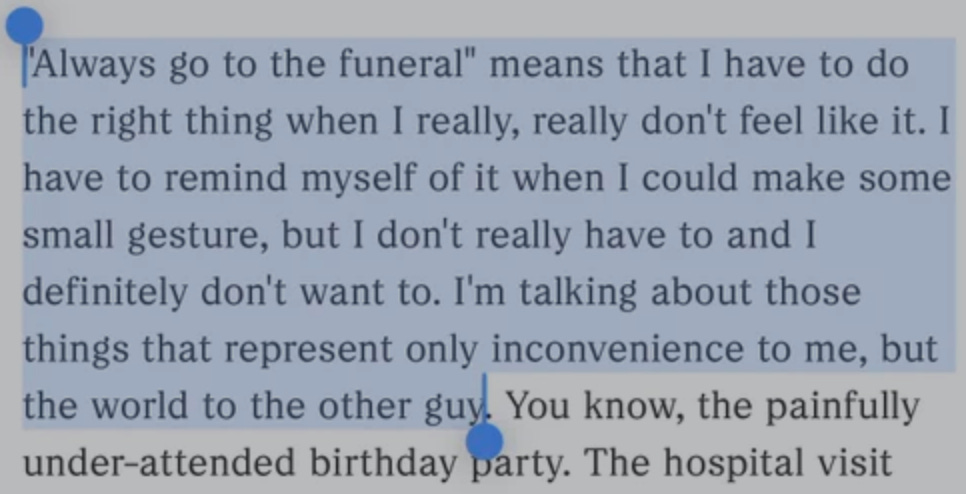
Birthdays, weddings, funerals… Always go. You don’t have excuses. You don’t have justification. You have no reason not to go, whether you like it or hate it. All those things matter to others. All of those fall into the category of memories people will remember for years to come. Both happy and sad. It serves as a test of who was there and who was not. It shows your character to others and whether they can count on you.
5. Write all your expenses in a physical journal
We often went on spending sprees every few months. Usually due to impulse buys and a feeling that something was missing. We realized that by writing down our impulse purchases and running a PnL type of overview, we could track where the money went and why. We became conscious of it, and we rationalized our impulses along the way.
There is something powerful about writing things down and having an accountability system each month to check on what you are doing (are you wasting your money), which everyone should do.
How to pull it off:
Forget about digital forms, statements, emails, or your Apple Pay transaction history.
Take 10 minutes at the end of the week to write down everything you have spent money on. From groceries and clothes to impulse purchases.
With time, you will find yourself asking questions. Was spending that money a smart choice? Are you using the things you bought?
Do this for 1 or 2 weeks, and you will have a completely different relationship with money.
6. Stealth wealth (never tell anyone how much you have)

Boomers are the best at stealth wealth. If you knew how many average boomers around you are millionaires, would you be able to tell the difference between the one who is and the one who is not?
There is no reason to let anyone other than your close family know how much you have. Bragging about having a 7 figure net worth feels nice, but it’s not worth it. The more you talk about it and the louder you are, the more parasites and unwanted "friends" you will attract.
If someone asks what you make or how you can afford things. This is where you will have to learn how to give a boring answer and move on. One of the easiest ways to pull this off is to reframe it and flip back to ask the same question.
There is something deeply satisfying about being vague when people ask what you do or how you could afford it. This is where giving a vague number and ending the conversation becomes important. You will have to practice pulling this off.
7. Never split the check
Should be self-explanatory. If you invite your friends out to a restaurant, for coffee, lunch, or anything else… YOU are paying. They can only pay if you paid last time. Making it an unwritten agreement between the two of you.
There is no worse public shaming than six people at a table. They send money back and forth so one can call the waiter. Are you inviting your circle? You are paying for everyone.
How to do it? There is no science here. As soon as the bill comes, take it. Don’t ask the table. Don't look for anyone's approval. If someone tries to pay back, tell them they will get it the next time and move on.
8. Boomer trick to meeting someone new (retention mechanism)
A person's name is to that person the sweetest and most important sound in any language. - Dale Carnegie
Have you ever worked with a successful boomer? When you first meet them, they will introduce themselves. You will do the same. The next thing that will happen is that they will ask for your name again. It is not a coincidence. Neither are they too old to remember your name.
There is a good chance they will repeat it out loud on purpose. If you have ever experienced this, you will know exactly what we are talking about. Doing this ensures you do not forget the other person and their name. It is one of the old-school methods that has managed to survive through the generations because of its efficiency.
9. Become a regular

One lifestyle hack that will pay off is becoming a regular somewhere. When we say somewhere, we mean the place where you still see yourself in a decade. That doesn’t mean becoming a regular at the club you go to each weekend isn’t worth it. But we aren’t denying that either. Restaurants and bars are different. They offer a higher level of service. You can bring people into these places, make everyone enjoy themselves, and have a good time.
Remember advice #2? This is where it comes into play and will dramatically improve your chances. Next on the list is learning everyone’s names and showing up consistently. After a few months of effort and showing up... Eventually, everyone will know you are the guy. Once you get past that point, the game begins. The advantages of networking and helping others become clear.
This also helps you meet people who can change your life. You can position yourself in a new way and make things easier. Doing all the filtering through membership fees and entry requirements. The more you think about it, the more that filtering part makes sense.
10. Start looking people in the eyes
The eyes are the windows of the soul. - Old proverb
When you are communicating with the other side. Be present. No cellphones. No fidgeting. Don’t look away while talking to them. Making eye contact while sharing your ideas influences how others perceive you and whether they take you seriously. Or not. It shows your worth and confidence.
This might be mostly irrelevant for someone in their early 20s. But by your late 20s, you will want the people around you to start taking you more seriously. Your circle should reflect the same. Helping you build out your social circle of the people you want to be surrounded by.
Struggling to make eye contact? Look up the triangle technique.
11. Become a good host
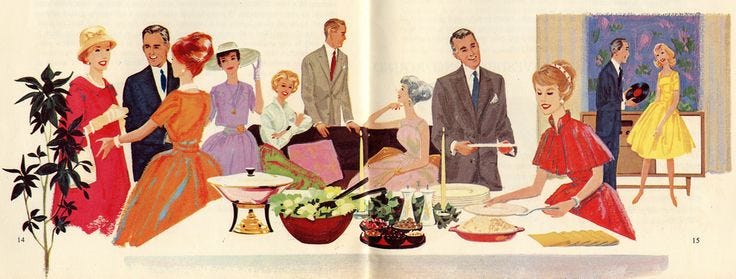
It is a skill set that you can only improve by doing it over and over again. No matter if it’s the yearly trip, a house party, or a private Sunday dinner with friends. The key is to find a way to make it happen. Make it a habit to run it once a year and keep improving it over time. Invite the chosen group, and as it grows, let the group start bringing in all the new, valuable connections. This is one of the best things you can do to improve your social capital and build a reputation for who you are as an individual.
To become a good host:
Pick a format and stick to it
Dinner, house party, or big gathering. Whatever it is, do it in a way you can repeat. A recurring thing is something people look forward to because they know what to expect.
Curate the people you invite
Everyone you invite knows you, and there is a reason they are there. The more your guests have in common, the easier it will be to introduce new people to them.
Make the first intros
What no one ever told Gen Z is that to avoid awkward situations or group separations. You want to be the one who does all the first intros. Starting a conversation is half the job when it comes to this. It is a skill set that has a huge impact on your quality of social life and can be applied everywhere.
Make all your guests count
A big mistake people make when hosting is to plan around the people they like to be around and stay there. What you want to do is go around and check on everyone to make sure everything is running smoothly and that people are forming genuine relationships. This is by far the hardest thing to do as a host, and it’s one that most fail at.
What is special about your invitations?
You need an answer to this. Whatever it is, a unique activity, a tradition, or something else. It must belong to YOU so that people will associate it with you specifically. If you pull this off right, you are guaranteed to have them there every time.
Follow up
Once the gathering is done, make sure that in the next 48 hours, you reach out to everyone and ping them to check whether everything was okay. This also ensures that the same group of people appears next time.
12. Dress for the occasion (it matters more than you think)
It is ridiculous that we even have to mention this. But the reality is that boomers have done it much better than current generations. You can’t blame anyone, considering that casualization and remote work have taken over the world. When we say dress for the occasion, we mean it. If you are going to dinner with your girlfriend, that doesn’t mean you have to wear a three-piece suit (maybe).
But it also means you should not go out in sweatpants and a t-shirt, but instead in nice pants and a shirt. All those things do matter, whether you want to accept it or not. This is the baseline you should start with. Once you learn it… It will go with you for the rest of your life.
13. Boomer consuming (print out everything)
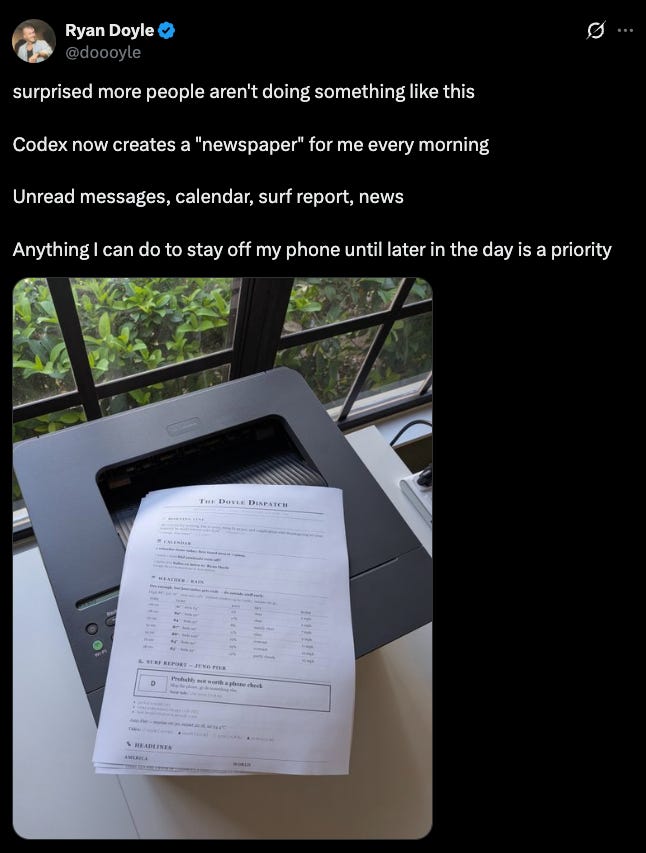
We found it hilarious at first. But after some thought, it is an impressive system as long as you set it up correctly.
The only limitation is getting the printer to work…
The same idea applies to almost everything you consume. Print everything out. We are big on this because consuming things in a physical format makes it much more impactful and memorable.
14. Being reliable is rare…
Another social behavior that boomers have done right. In a world where people cancel on you 10 minutes before a meeting. Promises mean little. Better said... Nothing. There seem to be no consequences for breaking them. Being a reliable person others can count on will make you stand out. Much more so when it comes to serious topics or things that actually affect your life.
Reliability etiquette sheet (at the very least you can do)
Always show up at least 5 minutes before you said you would.
Cancel at least 24 hours in advance so the other side can plan and avoid wasting their time.
If you are the one canceling it, your goal is to reschedule and set another meeting.
15. Learn to build, create, and fix things (UYH - use your hands)

Boomers didn’t have any choice. You do. But the reason this should apply is that it is part of this list. It comes down to the fact that there is an incredible amount of joy in doing things with your hands. Much more so if you spend all day on the computer. Building, creating, repairing. It doesn’t matter. It feels abstract at first. But as time goes on, and you become a weekend warrior, it will all start to make sense.
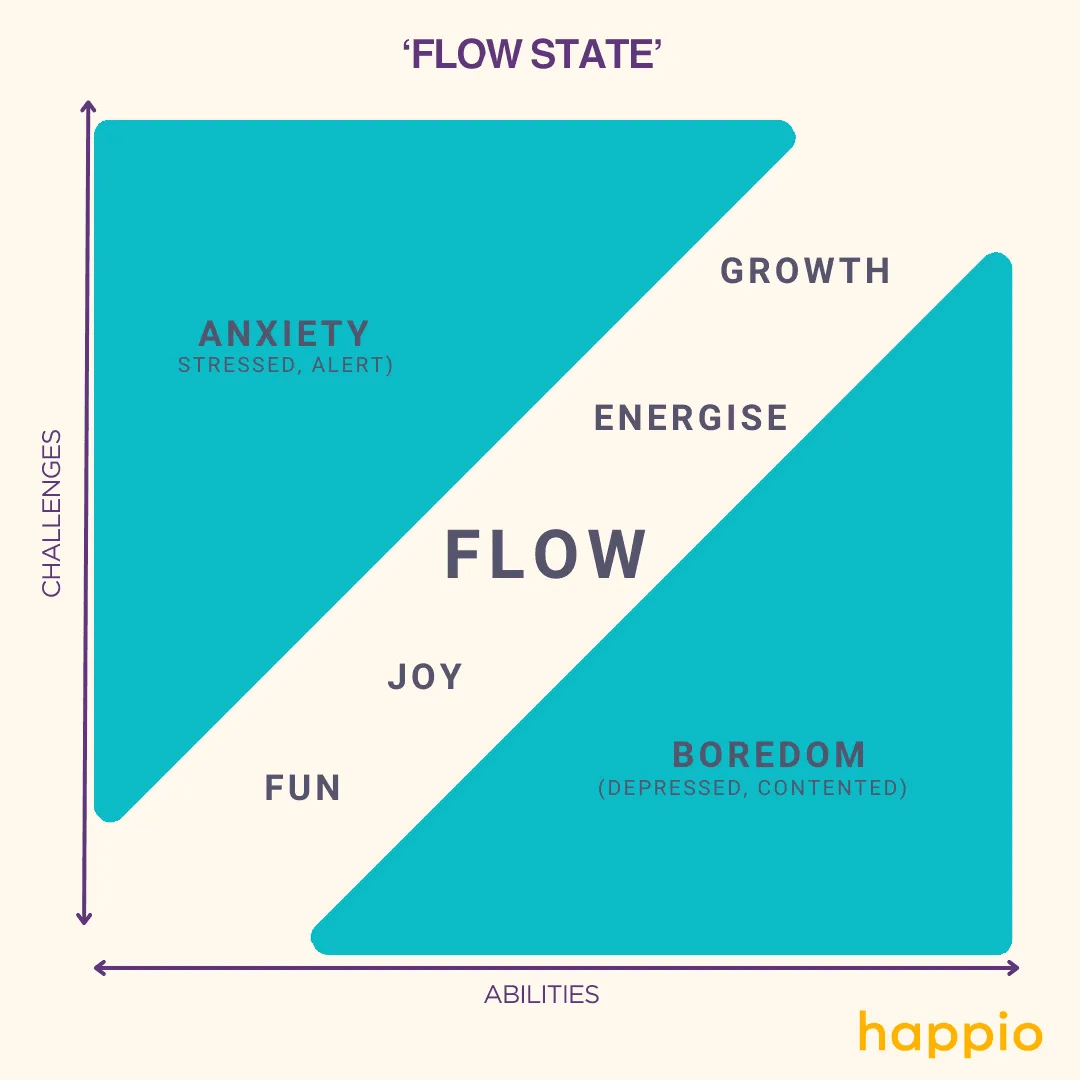
The reason working with your hands and seeing things go from 0 to 1 comes down mostly to Csikszentmihalyi's flow research. Where you have a clear goal → feedback → a task that is hard enough to focus on (but not too hard) → results. Put that into practice, and you realize this kind of work delivers visible value.
Doing tasks like this is good because it makes you feel like a beginner and reminds you what it is like to be new to something. This is something you want to practice throughout your whole life. Mostly because most get stuck in their ego, never allowing themselves to start again.
No idea where to start:
Home maintenance or installing new stuff
Woodworking
Auto work (replace the filter, change the oil, swap blades)
Gardening (if you are in a position to do so)
Cooking (this counts as well + improves your quality of life)
None of these will make any sense… Until you actually try it.
16. Handwritten notes and letters
He has built a unique culture, sending handwritten thank you notes to nearly everyone he meets and sitting down one on one with every person at the firm once a year. - Invest Like The Best (with guest Mitchell Green)
There are certain limitations to this, but once you figure out how to pull it off… It is a game-changer. It is something that has a deep impact on the other side if done right. Making you look more genuine and different from the rest. Selling an e-commerce product? Do it. Met with the investors last week and want to thank them. Do it. The key to others hearts is small gestures that make you stand out from the others.
To get more out of this:
Send them within 48 hours of the meeting.
Mentioning a specific event or why it matters. The key is a specific detail that will make you memorable. That is what separates the generic ones from the rest.
17. Whenever you ask for advice, make it count
What does that even mean? We live in a time where you are just 3 DMs away from the smartest people in the world. No matter the industry they are in, what they are doing, or what achievements they have managed to pull off. You have an opportunity to get an answer to your question. Much more so if it is specific and actually worth their time.
In 98% of cases, when the other side gets an answer to their question, they never reach out again. The whole idea behind this is that someone took the time and put in the effort to get back to you. It is your obligation to get back to them and explain how you applied their advice and the impact it had on you. This is again a very old-world approach, one you would expect from those who lived in a world different from ours.

Boomermaxxing checklist
Keep recommendations ready for everything
Tips before service (not after)
Call people regularly and ensure you stay in touch with those you want to keep in touch with.
Always show up. Birthdays, weddings, and funerals… No excuses
Make it a habit to write out all your expenses (pen and paper)
Stealth wealth is mandatory (learn to keep this vague)
Never split the check
Learn how to use the retention mechanism while meeting someone
Become a regular in a place you see yourself in 10 years
Always look people in the eyes while talking to them
Become a good host
Dress for the occasion
Boomer consuming (print things out)
Become someone others can count on (reliable)
Make something with your hands
Send handwritten notes
ALWAYS follow up when someone takes their time to give you advice
The system boomers played in? Gone. None of what they had is coming back. Yet many of their approaches and methods have survived. Aged perfectly. Reaching a level of importance like never before. Calling people. Showing up. Doing what no one else around you does anymore. Our final advice is to read all of these and position them toward the lifestyle you are living. Pick a maximum of 3 things from the list and start implementing them in your situation. The positive differences should be visible within a month.
Enjoy the rest of your weekend.
Disclaimer: None of this is to be legal or financial advice of any kind.
Navigating the nuance + separating the wheat from the chaff. Beautifully done.
Regarding Birthdays, Funerals and Weddings, i had a casual friendship with a friend since 12-13 years where we would meet once every 2 months for tea catchup half an hour , however since last 2-3 times (Nov 2025, Jan 2026) he publicly said in front of few friends not to catch up or call him ever i tried reaching out once any problem he faced from my side, he didnt replied so i stopped bothering him. Few days back there was a prayer meeting for his paternal uncle i didnt go as i tried reaching out twice but he said again don't message or call. Just sent condolences online once i saw that status , did i do right or how to handle it better