


Buying books would be a good thing if one could also buy the time to read them. - Arthur Schopenhauer
What better way to celebrate #150 posts than sharing our library?
A few years ago, we started taking notes on everything we read and building a collection we could reference over time. Now it feels like the right time to pull together everything that’s shaped our thinking.
Since we live in a world of slop, reading and connecting the dots has never been more important. That is something most people won’t be able to do over time, as everyone optimizes for video content (and its endless consumption). What you want to do is the opposite. Be one of those who can still read...
That is your unfair competitive advantage.
Keep in mind
As an Amazon Associate, we earn from qualifying purchases. This means if you click a link and buy something, we may receive a small commission at no extra cost to you.
There is no particular order. It is a mix of fiction and nonfiction.
We will update this over time (bookmark it and come back).
Got a book recommendation? Send it to us or drop it in the comments.
Looking for life-changing articles? Antidote to slop.

How To Get Rich by Felix Dennis
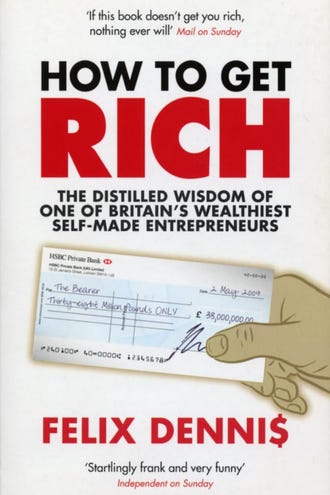
Nothing will come close to this book for us. It is the kind of book we managed to get our hands on at the right time and at the right point in our lives. Going through it led to a complete shift in our perception of what it is all about and where the leverage actually is.
To a point, it changed our lives.
One of the best books you can read about making money, and much more so when you realize that most will never pick it up because of the terrible name. Felix chose this name on purpose to scare off the masses and avoid appearing on airport bestsellers. Once you read the book, this reference will start to make sense...
This is the book we would recommend to anyone looking to build real wealth and actually understand how to keep it. It is also full of anecdotes, regrets (he is very open about them), and stories from Felix’s personal life.
Efficiency by Wall Street Playboys
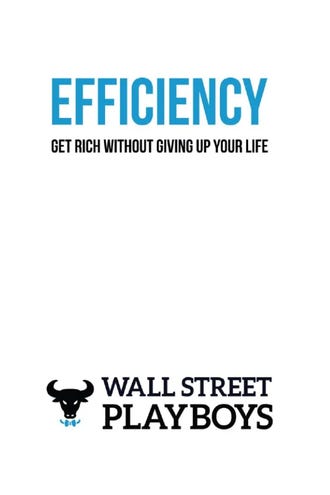
Largely outdated in certain aspects. Yet when we first read it (almost a decade ago), it just clicked for us. It is a guide to optimizing everything you do throughout the day to improve your life. It covers the usual topics from making money and taking care of your body and relationships… All the way to what it actually takes to pull it off (mindset). We have read it 3 or 4 times, given its length (around 150 pages), and there is always another lesson to pick up.
Similar to our writing, it is a very blunt read. Not motivational in any aspect, but practical in a way that will make you think and position yourself to get the most out of the situation you are in. It gives you a sort of framework to help you not get lost along the way. We would put it on our must-read list for anyone in their 20s who has yet to embark on their career journey or is looking to figure out how the game is played. Confirming that most are optimizing to play the games they should not be playing in the first place.
Young Money: A Field Guide To Wealth and Purpose in Your Twenties
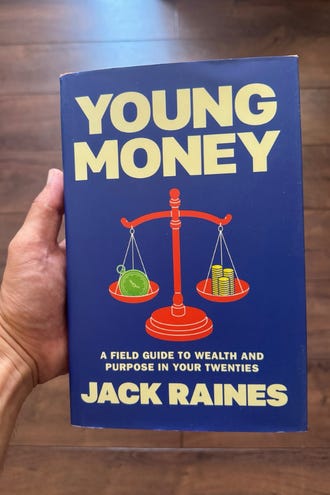
We have been fans of Young Money (Jack Raines newsletter), so this one should not be a surprise. If you are already subscribed to his newsletter and love his style… Buy this book. It is a practical read that covers what it takes to live a well-lived life, how to take care of your money, and what the REAL work is about. This is a must-read for everyone in their 20s.
The Art Of Worldly Wisdom by Baltasar Gracián
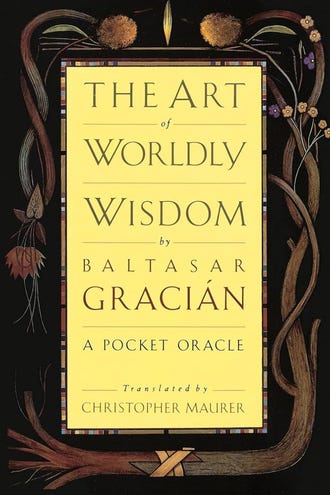
For everyone reading this who is looking forward to reading The 48 Laws of Power, The Art of War, or The Prince… Don’t. They are largely a waste of time, to the point of mental masturbation. What you want to do instead? Read this one. 500 year old book by a Spanish priest and philosopher.
The book is a manual for practical wisdom that has aged well. When we say it has aged well, that is an understatement. No surprises there. Considering that we humans and our behaviors have not changed much over the centuries, and given our deep desires and motives. This manual (book) covers everything from how to read people to what self-control is.
What we have liked most is the format in which the author has structured it. Similar to what most would know as a tweet-type style. Very short. Punchy and to the point… It makes you think and reflect on your choices. Schopenhauer was so inspired by this book that he actually translated it into German. This is our go-to recommendation for those in their 20s.
Poor Charlie’s Almanack by Charles T. Munger
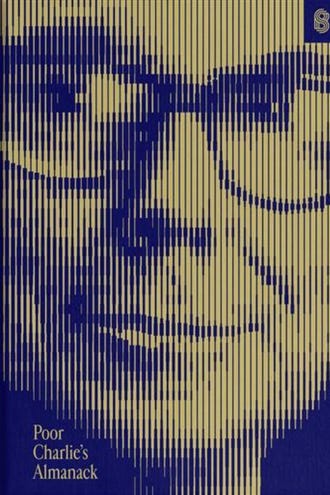
A book that compiles Charlie Munger’s ways of thinking. Presented as a tribute to Ben Franklin’s Poor Richard’s Almanac. The book itself is full of wisdom and underlying principles that you have to process to understand. It is something you read and sit with. A curated collection of Munger’s thinking on business, investing, and how to do well in life.
Once you start reading about Munger, it becomes clear that he can’t stop thinking about how things connect. One of the rare ones who can connect the dots and cover where different areas overlap (in a practical aspect).
Reinforcing this idea that you need to look for real-world examples and translate them into other contexts (business, life, or psychology). This is a book that is worth everyone’s time, whether you are into finance and investing or looking for general knowledge.
The Power Of Positive Thinking by Norman Peale
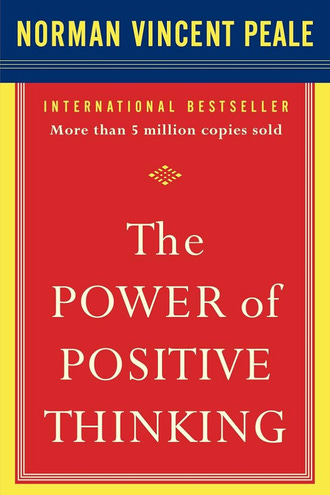
Everyone has heard about this book in the last couple of years because Trump made it popular. Put that aside, and you have a book that somehow managed to mix religion with the law of attraction principles. Unique.
It covers visualization and how to use faith to get over your doubts. On top of that, it mixes in religious concepts with law of attraction (sort of). By far the most important thing and idea in this book is that an optimistic individual and a pessimistic one will have completely different life outcomes. Optimism is key (and present in everything we do) and a factor in overcoming problems. In the same way, pessimism plays a role on the other end.
The reason this book deserves your time is that it covers practical techniques for improving yourself and what it takes. Making it a perfect introduction to the mental models. Similar to Goddard’s work but with a different twist and religious concepts.
DTV by Michael Moritz
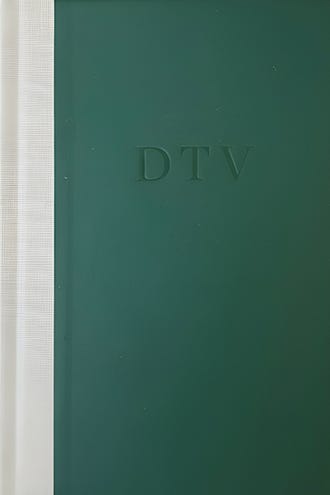
The infamous green book that was never supposed to see the light outside the internal circle. It is a personal memoir of Valentine and how Sequoia started. Covering the initial years of Sequoia and who Don Valentine was… Not just who he was, but what kind of character he was. What we found interesting was how simple a Socratic-like approach he used at all times, and how often it was mentioned throughout the read.
From the book itself:
Don’s schooling took place in the Bronx, first with Franciscan nuns with an affinity for swatting miscreants on the head, then at all-boys Roman Catholic high school, the Mount Saint Michael Academy under the guiding eye of the Marist brothers. He went on to study at Fordham University, where his professors were Jesuits and whose teaching approach was based on the restless, open-ended questioning style of Socrates.
It was this style of inquiry, aimed at rooting out answers to intractable topics from a collection of people with different points of view and experiences that, more than the details of his studies, influenced Don throughout his life.
It made him doubt everything - particularly conventional thinking - and was the source of some of his favorite, terse ways of ferreting out answers. ‘Why?’ ‘Who cares?’ ‘Who needs it?’ ‘Why does it matter?’ ‘What does it do?’ and ‘So what?’ were the plain verbal thrusts he came to employ to gauge whether prices could be raised, a product made sense, a new market should be attacked or the significance of a milestone.
When you start thinking about this approach... It is something that all of us could use in our daily lives, and it could probably improve our quality of life. Just by asking ourselves the right questions to get the right set of answers we need at that moment. It is about 60 pages, so it can easily be read in a day.
Mastery by Robert Greene
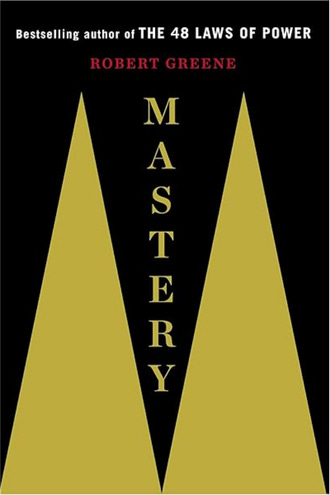
We would go so far as to say that out of the entire Greene catalog… You want to read this one. As with all his other works, he draws parallels between historical figures and research on how skill development actually works. For those who want to improve their craft or are fascinated by people who dedicate their entire lives to a single thing. You will love this read.
The main idea is that it is less about talent itself (it plays a huge role - no one can deny it) than about being in the same field for years and years. Taking the biographical case studies and drawing the example out of them.
The most interesting part of the book for us was the life task. The idea that everyone has a calling they should identify as early as possible and pursue at all costs to live a fulfilled life.
How To Fail At Almost Anything And Still Win Big by Scott Adams
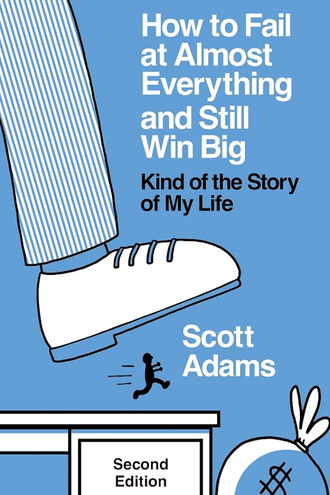
Amazing book. No matter what you think about Scott Adams and the political takes he held over the years before he passed away. This belongs to the "self-help" books actually worth your time. As someone who has had a big shift over the last year toward a goal-oriented mindset. Adams claims that chasing goals is a waste of time, and our time would be better spent building a system. That is what all of us should be doing rather than having a fixed mindset on goals.
Another point we could not agree with more.
I don’t read the news to find truth, as that would be a foolish waste of time. I read the news to broaden my exposure to new topics and patterns that make my brain more efficient in general and to enjoy myself, because learning interesting things increases my energy and makes me feel optimistic. - Scott Adams
Let My People Go Surfing: The Education of a Reluctant Businessman by Yvon Chouinard
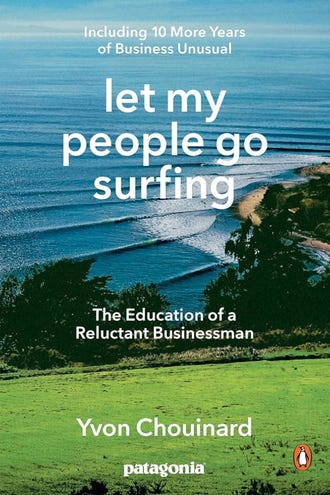
Yvon is a unique example who created something for himself (climbing gear) and managed to commercialize it to the point of reinventing the game. Completely. This book tells the story of one of the biggest outdoor clothing companies, from its origins to its big vision to where it is now.
Fast and interesting read about an individual who never wanted to be in the spotlight and chose to spend his time doing things that matter and improving society. Highly recommended read, much more if you are running your own business or care about the legacy behind you.
The worst thing said about him is that he was "uncurious." - Yvon Chouinard
Prometheus Rising by Robert Anton Wilson
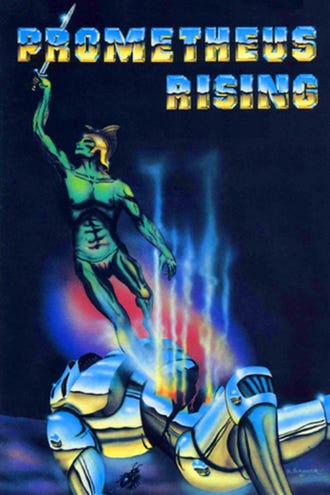
You will either love or hate this one. There is no middle with it. Neither is this something you should read if you are closed-minded and unable to think outside the box. It is a book that requires an open mindset and a willingness to see things differently. Better said, be challenged on conventional wisdom.
We went through it once, and we didn’t pick up everything. Connecting all the dots and principles you can find inside would take two to three reads. The book’s main idea is that we can all explore and develop our consciousness through different approaches. It is also filled with exercises to help you develop new ways of thinking and how you look at things. Worth mentioning that only a few authors can bring the humor that RAW can.
Fooled By Randomness by Nassim Taleb
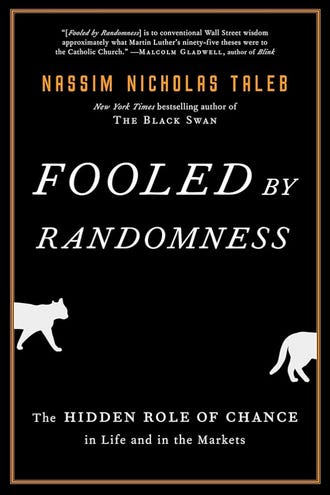
This is the only book by Taleb we have read. The book centers on the idea that we largely underestimate the role of randomness in our lives, which Taleb supports with a bunch of stories and examples. It claims that we live in a world where people credit success to skill but blame failure on bad decisions. When in fact both are the result of chance and luck.
This book serves as an intro to The Black Swan, including a whole chapter on how big events change lives and dominate outcomes far more than anyone would like to admit. Backing it all up with why. It is written in an interesting way, where Taleb goes from memo-style writing to full-on rants.
Solomeo: A Humanistic Enterprise in the World of Industry by Brunello Cucinelli
Incredible book and one of our personal favorites. To the point that it is hard to say what this is REALLY all about. One man’s vision is the best way we could put it. Starting with a journey (growing up in a village), to reading Socrates and Kant… All the way to a story of how Cucinelli built the whole brand. To the end goal and what Solomeo is all about and how he envisions it. Humanistic capitalism. Just give it a read.
If you are not convinced, why read about someone who built a clothing brand? We would recommend you read this first.
Obvious Adams: The Story of a Successful Business Man
This book is not for everyone. Yet the ending is nothing but brilliant. It makes you think… In a positive way. Serving as a reminder that there is no secret to success. It is one of those books published over 100 years ago that you can read in less than a day.
Eternal Pursuit Of Unhappiness Being Very Good Is No Good, You Have To Be Very, Very, Very, Very, Very Good By David Ogilvy
Another book written as an internal document. This time for Ogilvy & Mather employees, and another that was never released in bookstores. It is hard even to pinpoint exactly what this book is about (similar to the one above).
It covers many topics, including how the work should be done and how to avoid the traps of "good enough" and "divine discontent" (our favorite part of the book). It feels like a coffee table book you would go through while waiting at the dentist’s office. But at its core, it is much deeper and worth your time.
Rule 1. There are no rules.
Rule 2. Never forget rule one.
The Count Of Monte Cristo by Alexandre Dumas

Longest book on the list by far. An adventure novel about the main character being set up and thrown into an island prison. He spends most of his life figuring out how to get out. At the same time, he figures out how to find the hidden treasure... Wrapping it up by reinventing himself under a new name. We have already given you too much, and once you start reading you will realize a lot is going on. One of the best adventure novels ever written. VERY long, so if you are looking for faster reads, this one is NOT for you.
UNSCRIPTED: Life, Liberty, and the Pursuit of Entrepreneurship by MJ DeMarco
Suppose you are looking for a personal finance book and don’t want to read any others on the same topic. Most have heard of DeMarco from his book The Millionaire Fastlane, published over a decade ago. Actually, this is the one you want to read…
The reason is that it is formatted much more clearly, making the main concepts easier to understand. The book explores how most people follow a preset life script, in which everything they do is planned (scripted). Blindly following the masses. Trading your entire life for a delayed payoff at the end (retirement). Another point we loved was how he managed to cover why optimizing for the weekends will get you nowhere.
The problem with this? Similar to The Millionaire Fastlane. The author tends to repeat himself. Emphasizing the importance of the concept while testing readers patience. If you are unable to read books like that, you are better off skipping this one. Arguably the best personal finance book out there.
Crime And Punishment by Fyodor Dostoevsky
We read it for the first time almost 2 decades ago… And to be fair, it is one of the most memorable books for us. It is hard to say whether it’s because of the plot or the feeling it leaves you with. Or because it is hard to read, and finishing a page gives you a sort of boost that you actually managed to pull another one off instead of giving up.
By far the hardest read on the list, and either you will manage to pull it off and understand what it is all about. Or you will quit before the midway point. The book follows the main character and gives you psychological insight into Raskolnikov. From his perception of the world to his attempt to test his theory in practice. Living with paranoia that escalates into self-destructive behavior. Pure nihilistic read. But a good one.
The Double by Fyodor Dostoevsky
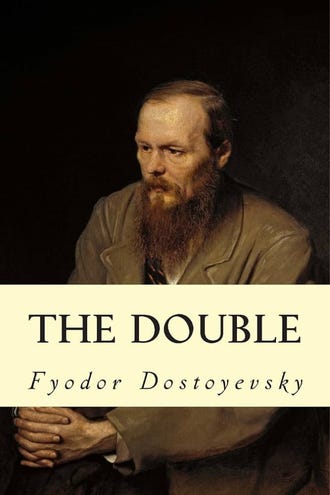
Only pick this up after reading Crime and Punishment. It is MUCH easier to read. But it’s not for everyone. You will either love it or hate it. Similar to the one above. The plot itself is ridiculously good in a way that makes you think about what you would do if the same thing had happened to you. Imagine meeting someone else who looks exactly like you and takes over your life and who you are. Ending up living the lifestyle you have always wanted. Going from sort of an easier and lighter read into the dark and heavy one.
The Mastermind: Drugs. Empire. Murder. Betrayal. by Evan Ratliff
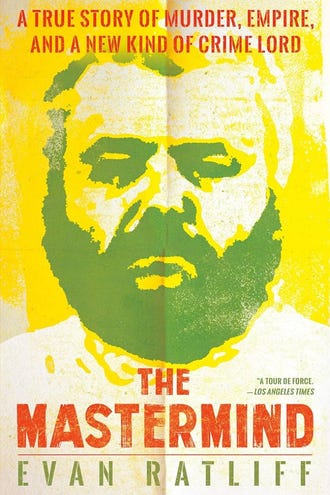
Paul Le Roux and the story of a programmer who built one of the biggest criminal empires. From building security tools to being an online prescription affiliate selling painkillers (illegally) to dealing arms and drugs. Arguably the best book on the criminal underworld in the last decade, maybe even two. The author did an amazing job putting it all together and doing interviews all around the world. Page-turner is an understatement…
Not sure this read is for you? Check out The Mastermind.
Impro by Keith Johnstone
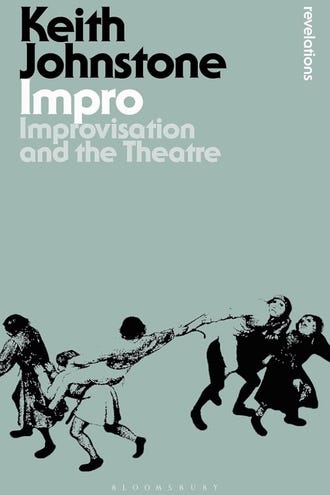
A book that has become popular over the last couple of years because Palantir gives it to new hires. This is a book everyone who deals with clients or customers daily should read and understand.
It covers basic concepts, such as moving your head while talking or standing still being perceived as low or high status. All the way to putting your hands in your pockets, which is perceived as low status. It goes deep and lets you choose how far you want to go. It is sort of a reading room type book. One of the psychological factors that directly impacts your ability to sell yourself and your ideas.
Liar’s Poker by Michael Lewis
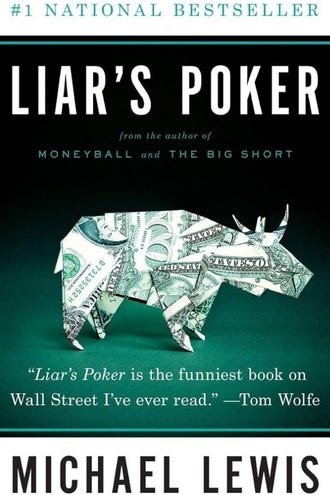
Classical financial nonfiction, as they call it. This is Lewis’s story about how he went from an Ivy League school to the Salomon training program, and then to Wall Street culture and the way things were done. Add a bit of risk-taking on top of that, and you have a fun and fast read. A book that is not for everyone, but overall a fun read into the culture of the 80s and how things used to be done before the whole Human Resources culture.
Early on Alexander taught me the importance of a strong exterior.
I learned awhile ago that there was no point to showing weakness. He said:When you arrive at six-thirty A.M., having had no sleep the night before, and having lost your best friend in a car accident, and some Big Swinging Dick walks over to your desk, slaps you on the back and says: How the hell are you?
You don’t say, I’m really tired and really upset.
You say, I’m great, how the hell are you?
Animal Farm by George Orwell
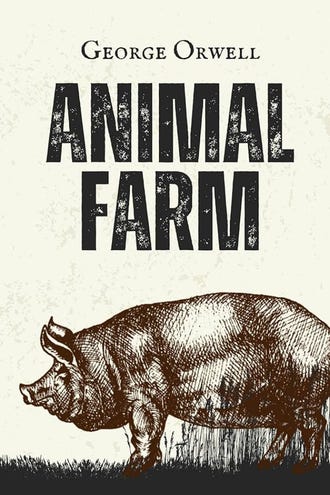
It is surprising that this book is mostly given to kids (the younger generation) to read. The chances that the kids will understand the social hierarchy are close to zero. It is a much deeper read on hierarchy and social power. Orwell did an amazing job using animals to illustrate how they manage to overthrow their leader (the farmer) only to end up in another tyranny. Arguably even the worst one. It proves that most animals (people) go along with changes even though they know something is wrong or are unable to think long-term. Something that everyone should read during their lifetime.
Narcissism by Alexander Lowen
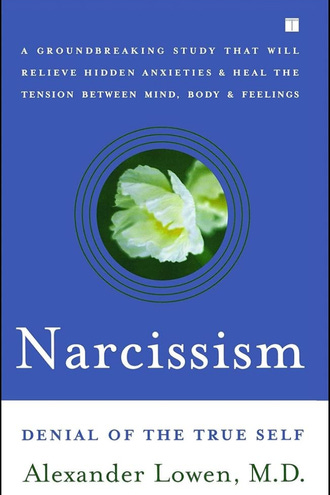
Amazing book that became popular all over Twitter in the last few years. The idea is that one of the core reasons people are narcissistic is that they are unable to love themselves and who they are. They use narcissism as a mask to hide underlying emotions. Lowen offers a completely different perspective from mainstream views on narcissism and how to deal with it.
Because Lowen focuses on bioenergetic work, the book presents a body-based approach and physical exercises designed to help you reconnect with feelings and address narcissistic tendencies. Or if you are dealing with someone narcissistic, so you are as prepared as you can be. The book provides a framework and Lowen’s POV on the topic as a whole. To be fully transparent, it is much deeper work than just covering narcissism. And that is the main reason you should dive deeper into it.
The Mindset Rewiring by The Unintuitive
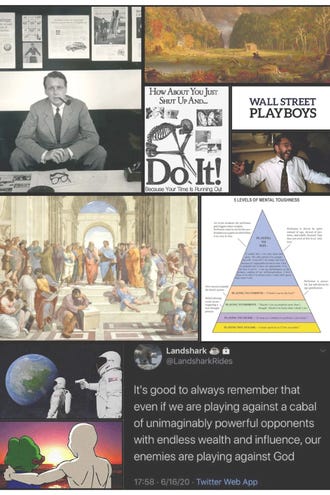
Not a book. A workbook. Once filled with your thoughts and vision, studied 2x per day for 15 minutes. It starts to work. The reason it ended up on the book list is that it is simple. It is 100% up to you what kind of story you write and who you want to become. That is the whole point of it. You decide who you are, and you do everything you can to prove it back to yourself.
Patrons can get their copy inside the inner circle.
American Psycho by Bret Easton Ellis
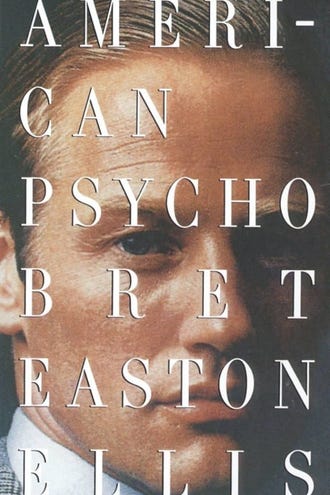
The movie looks like a children’s book compared to the book... And there is a good reason for that… There is absolutely no way they could put everything written in this book on screen. We picked it up because we were told the movie didn’t cover half of what Bateman did, and we got curious... That is everything we have to say. Great fiction read, but not for everyone.
Our filter process for this one is simple. You watched the movie and loved it? Give this a read. You hated the movie and found it dumb? Avoid. That is all you need to know about this book.
Join the Inner Circle.

We are 100% reader-supported. This newsletter is free. If you want access to everything we make…
The Full Archive: 150+ breakdowns you won’t find anywhere else.
The Toolkit: Our inner circle templates, frameworks, and PDFs.
Total Access: Every future deep dive and resource we publish.
Catch-22 by Joseph Heller
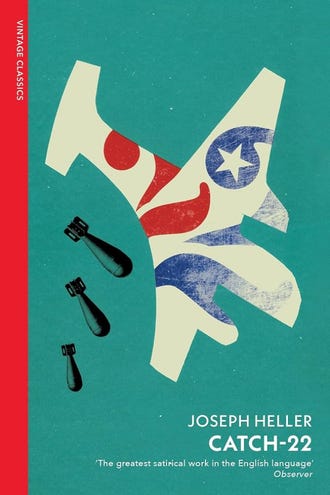
This is an amazing read, told in a non-linear timeline that can be hard to follow if you are not focused, because the author jumps between timelines. Our advice is to avoid reading this if you are not 100% into it after the first 50 pages.
The book is about a character stationed on a fictional Mediterranean island during the war, doing everything he can to avoid being killed. The only way to get out of it? Declare yourself insane. The problem? Only a sane person would fear for his life... You get the idea. It is a comedy that is all over the place, with mixed-up timelines and characters. What is interesting is that the author manages to make it darker as the war goes on and the story moves forward. Going from a comedy page-turner to a heavy read.
Outwitting The Devil: The Secret To Freedom And Success by Napoleon Hill
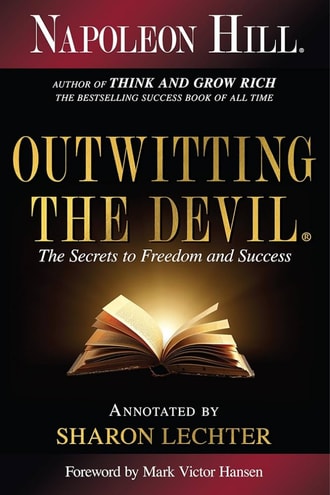
The story goes that this book was never published during Hill’s lifetime because it was too controversial for its time. What Hill wrote about is his interview with the Devil that he managed to summon to seek answers. He asked what the most common mistakes people make are and how those mistakes define the lives we are living.
The most interesting aspect of this book for us is the part about definite purpose and independent thinking. Hill explained it in a way that makes it obvious you do not want to do whatever everyone else around you is doing. Because it is simply not good, and most are not living the lives they should. He called those people the easiest target for the Devil and his plan.
Pure self-help book that is packaged in an unconventional way, with the solid idea that the masses are often more wrong than right. It uses the Devil as a figure who is directly involved in all the decisions (bad ones) that the people are making.
The Great Gatsby by F. Scott Fitzgerald
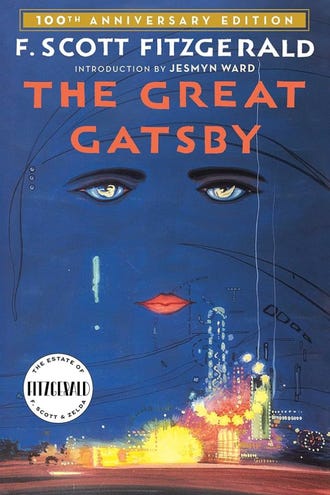
Considering when this book was originally published and how relevant its main idea remains today, we can all agree it has aged well. Wealth, status, and illusions. Once again, it confirms that human nature never changes. It is a classic at this point and something everyone should read in their lifetime. What is funny about this book is that it was a massive flop for decades. An amazing read on how it became popular is available here.
Steve Jobs by Walter Isaacson
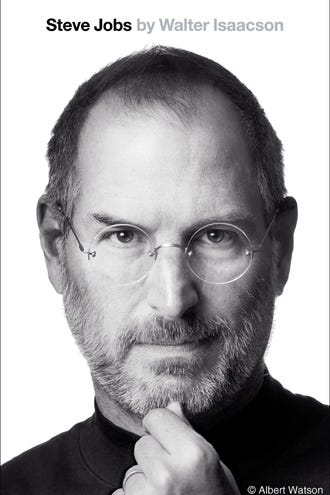
If you want to read a biography but are not sure which one to pick… This might not be a bad choice. If you want to know more about Apple and how it all started. This is definitely the book you want to read. Whether you love him or hate him, he was different. Jobs is one of those characters you want to study and try to understand his moves and the reasons behind them. Driven by irrational self-belief and the vision he had. Interesting is one way to put it.
Picasso had a saying - 'good artists copy, great artists steal' - and we have always been shameless about stealing great ideas. - Steve Jobs
What surprised us most was his ability to reinvent himself and start over again and again. A trait that not many possess and one that doesn’t get enough recognition. Isaacson is an amazing author, and considering the length of the book, it is a fairly fast read.
The Narrow Road: A Brief Guide to the Getting of Money by Felix Dennis
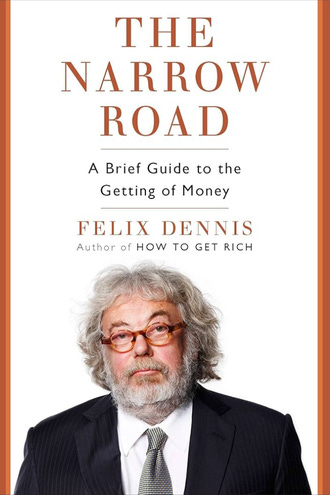
Start with how to get rich… If you liked it (by the same author), you will LOVE this one.
Escape From Freedom by Erich Fromm
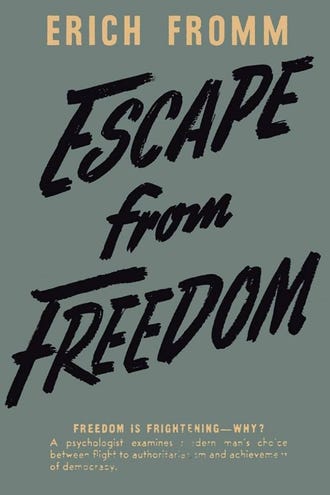
We have never seen anyone mention this one except Henry Kravis. Underrated and the type of book you will read that will make you think. The author goes in depth on the psychological appeal of mass movements and how things start to look when people fall for the big idea being pushed.
The most interesting part for us was the author’s idea that people tend to join groups, cults, and mass movements because they feel alone and isolated. In the author's view, this is what gets people to give in to authoritarianism.
Man’s brain lives in the twentieth century; the heart of most men lives still in the Stone Age. The majority of men have not yet acquired the maturity to be independent, to be rational, to be objective. They need myths and idols to endure the fact that man is all by himself, that there is no authority which gives meaning to life except man himself.
Zero To One: Notes On Startups by Peter Thiel
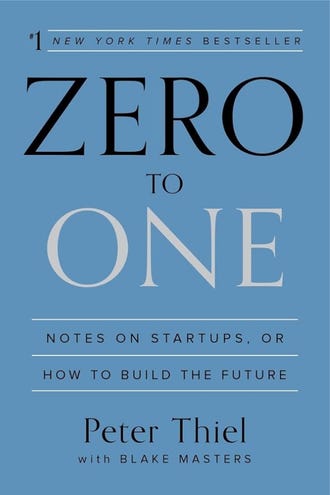
There has been a lot of hate around Thiel recently, and if you managed to put that aside… It is an amazing read. Fully based on the Stanford course Thiel taught. The main idea is that you do not want to compete with others but to create a monopoly. Everyone trying to start a company or build something unique should read this book.
Becoming a Supple Leopard by Kelly Starrett
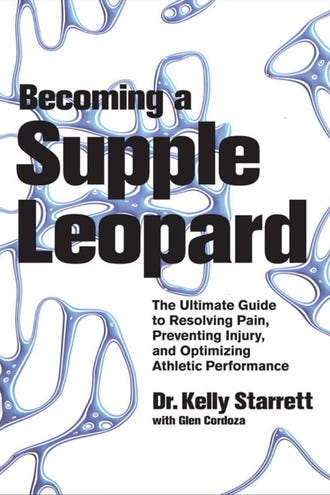
Whenever we had pain somewhere or something that was bothering us (think back pain), this was the first thing we looked into. Not necessarily a book you will read and then forget.
More of a manual you reference whenever you are struggling with physical pain or discomfort somewhere in your body. The reason it goes under the book section is that more people need to be aware of it. Kelly Starrett has probably helped 100k+ people by now, given how long he has been on the scene.
The Sovereign Individual by James Dale Davidson
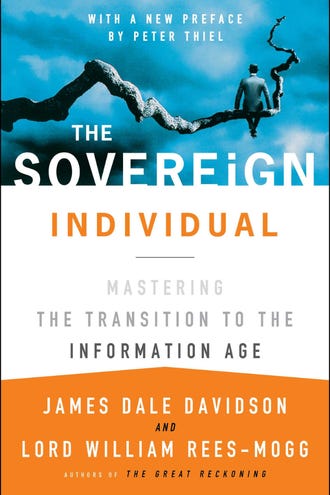
Provocative read is the best way to put it. The core idea is that nations, in their current form, are not sustainable in the long term, and that sovereign estates and the new technologies becoming available will allow things that have never been possible before. It covers everything from the digital economy to getting out of national control, remote work, and general distrust in institutions.
The other book by the same authors was ridiculously timed (maybe they got lucky), where they basically covered the collapse of the Soviet Union and then witnessed it a few weeks later.
On The Road by Jack Kerouac
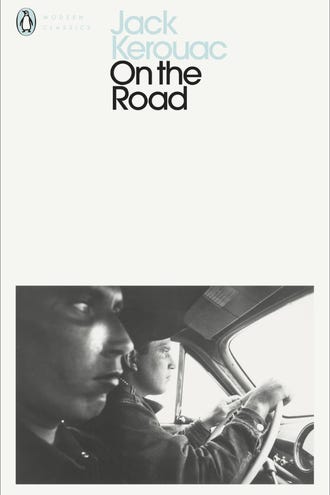
To be 100% transparent, we read this book much later in life than we were supposed to. If you are yet to embark on your big journey, planning a big trip with your group of friends. Or you are in your 20s... You want to read this. What we still find incredible is how much simpler and carefree life sounded 50+ years ago. Something that 80% of the people can’t even imagine.
The Mood Cure: The 4-Step Program to Take Charge of Your Emotions by Julia Ross
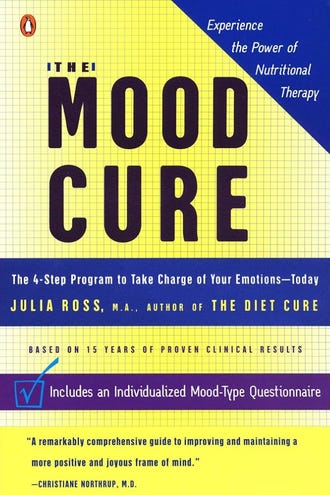
Similar to Supple Leopard, this book is the reference manual. One that could 10x your quality of life once you start implementing the ideas inside. A bit of bloodwork optimization and this book, and you won't believe how far you can take this. We based our bloodwork prompt on this.
True Names by Vernor Vinge
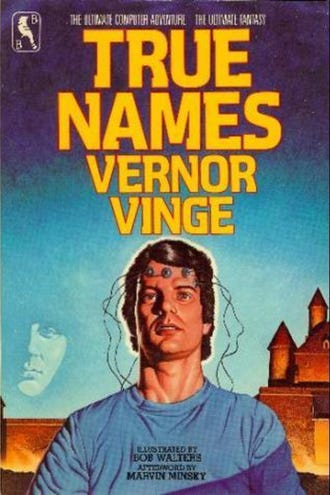
If you are into the cyberpunk genre, this is basically a book that started it. It has aged INCREDIBLY well considering when it was originally published. If you are looking for a fast fiction book with an interesting plot, you will not regret it.
The Power Of Awareness by Neville Goddard
The book's central idea is that our outer world mirrors our inner state. Similar to Prometheus Rising, this book requires you to be open-minded and unafraid to think outside the box.
Goddard did a great job explaining that “I am” is the most powerful declaration. It is completely up to you and how you use it… For better or worse. A law of attraction type of read from the 1950s that you will either love or find ridiculous. We found it incredible how popular content like this is becoming.
Antimemetics: Why Some Ideas Resist Spreading by Nadia Asparouhova
The book itself received mixed opinions. For us personally? Great read. Covering the meme culture, why some ideas never grow beyond a certain point, and what it takes to catch someone's attention. All worth knowing and understanding. Everyone who posts content online (creates something for others) should read this book.
The Divine Comedy by Dante Alighieri
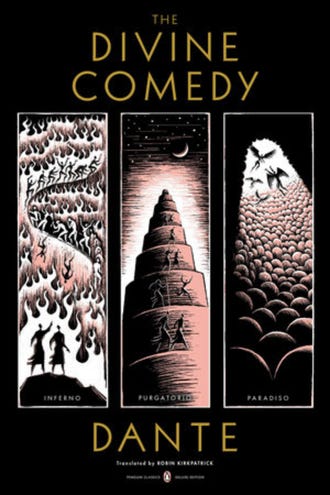
There is a good reason this is considered one of the greatest works of literature ever created. Written in the 14th century by Dante Alighieri, it takes the reader through the afterlife over 7 days, through Hell, Purgatory, and Paradise. A REALLY vivid journey full of double meaning and symbolism.
The Homeric Gods by Walter F. Otto
Arguably the best guide to Greek religious ideas and how they were perceived. The only problem is that it might sound like Otto puts the Greeks on a pedestal too much… Well worth your time if you are looking for something in this genre or to step outside your comfort zone.
Enjoy reading!
Disclaimer: None of this is to be legal or financial advice of any kind.
Delivers again! These will be worth saving locally (b4 it’s too late).
always a dope write up!