


Most people do not listen with the intent to understand - they listen with the intent to reply. - Stephen R. Covey
Everyone you meet is showing you something. Better said, they are telling you who they are. Human nature has not changed in thousands of years, which is exactly why those same signals still work today. You can tell a lot from how someone reacts when they hear no, what happens when they lose, or how they treat someone who can’t do anything for them. Bringing you a list of what we have picked up over the years.
Truths about people (7 of them explaining everything)
Emotions are the primary driver of most choices: Whatever choice was made… It was based on emotion, not logic. The only thing logic does is build the excuses for why things were done that way in the first place.
Nobody thinks they are wrong: How many times have you heard someone admit out loud that they were wrong? It is very rare. In certain cases, it is even impossible to hear it from some people.
Ego (status and prestige) drives the biggest decisions in life: Most people around you live their lives based on how they look to others. The house (you never wanted), the car (you don’t even drive), the fancy title (working at something you hate), the vacation… Most people live someone else’s dream, not their own.
Belonging and rejection matter much more than most people would like to admit: There are an enormous number of people who would keep doing the wrong jobs, be surrounded by the wrong people, or even in the wrong relationships so that they are not alone. Massive lifestyle trap.
Incentives > loyalty: Everyone is loyal until there is money on the table. Same exact reason you do not want to borrow money from your friends (or lend it to your friends). This might show you their real face.
People ALWAYS remember how you made them feel: Big one and one of the things most never figure out. It is never about what you say or how you say it. It is all about how you made people feel. Results? If you have played your cards right, put in a bit of effort, and made it so that everyone enjoyed it. You might have made yourself unforgettable. Or at least you have ensured you are going to get invited again.
Watch what people do… not what they say: Promise yourself that you will always do it. Make it a rule. Words don’t matter in the grand scheme of things. Much more so when what the other side is doing might be completely the opposite of what they are saying to others. Only one of those things is telling the truth.
To read the people… You have to know their normal
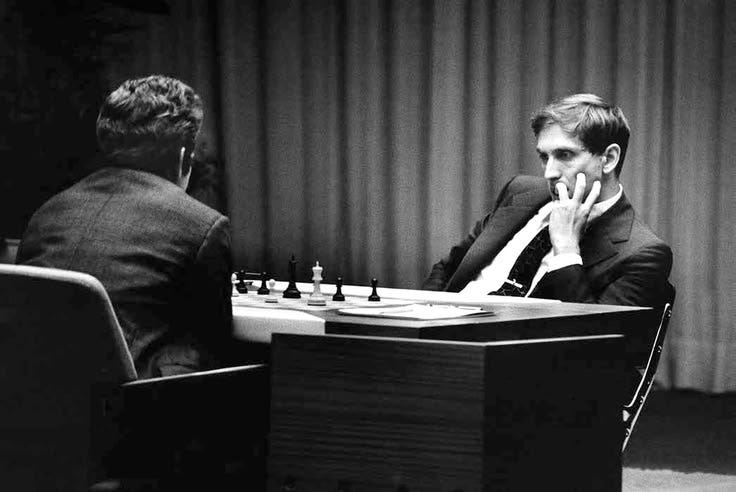
The truth is that you can’t tell if someone has changed if you don’t know where they started or how they got there. This is why before any pattern digging you learn the baseline of the person you are dealing with. How they deal with the things that are happening to them when it is a random day and not some special occasion or when they have to be at their best. Multiple days of the same behavior? Good chance that this is their baseline. Their normal…
Why might you be asking yourself? It is a baseline because they are behaving in the same way in different situations. It is who they are. So when it becomes the pattern? That is a bit of a different story, and it is on you to figure out the distance between the two. Take someone who was always on time but now has canceled multiple times in a row. It is clearly not their baseline. Because you know it is not common for them. Yet it is repeating… Meaning it is a pattern.
Once you see that pattern, this is where it gets important that you stay true to yourself. Do NOT ignore it. Do NOT talk yourself out of it. Do everything you can not to fall victim to your own cope about someone. The truth is that most people do notice the signals and how someone is behaving. Yet they spend months analyzing and rationalizing why they keep spending time with that person. Results? They end up miserable because they themselves have been ignoring the signs that were visible from day #1. You do not want to be one of those.
That is also why you should not treat anything here as a checklist. That is not how things work when it comes to dealing with others and human nature.
How to read people: Stop listening to what they say… Watch what they do
1. Do they listen or wait to talk?
Back to the Covey quote we opened with. Most people don’t listen or even bother to understand the other side. They are just waiting for their turn to talk. This is the easiest one to catch. You will see it within the first few minutes of any conversation. To test this, pay attention to what happens right after you finish your sentence and watch what happens next.
Do they ask a follow-up about what you have just said? Or do they ignore it and jump straight into their own story? It happens to everyone. Everyone does this once in a while. It comes from a subconscious place. Once is not a problem. But when it is a pattern, and it happens often... It is a clear signal that they are treating you as their audience. Someone they can talk to about their problems, life, and everything else that is happening to them. In each case, the conversation is never about you.
You will start to pick up the small details about who you are dealing with. People who listen remember the little things that seem unnecessary to those who only treat you as an audience. It is very rare at this point, and something boomers have done right. If you do it right, you will win people’s hearts and make yourself unforgettable.
What to do about it: Start by running the test on purpose. Mention something specific that has happened to you recently and see if it comes back. Maybe you get surprised, and you get asked a question or two. Maybe you don’t. Reality is that you don’t even have to be asked. Just pay attention to how the other side perceives it and whether they are actually listening to you, or whether it is obvious that they have not registered it the first time. Not sure how it went? Bring it up again next week and see whether they remember any of it. People who can’t listen but can talk for hours are great for occasional social gatherings. But they are useless for serious life advice or anything that actually matters.
2. You can tell a lot about the person based on how they react to hearing the no... So say no
